


Where and when did this concept of loft living come from? Although I’m always reminded of Denver’s lofts when I visit the cliff dwellings at Mesa Verde in Southern Colorado; I think that saying that they were inspired by our native American ancestors would be a stretch. Architects trace back the beginning of lofts to a more modern source, 19th century Paris when local artists in Paris needed room for the paintings they were doing at the time. Since the canvas’ were much larger than usual; their studios required high ceilings to accommodate the height of the paintings and lofts were perfect.
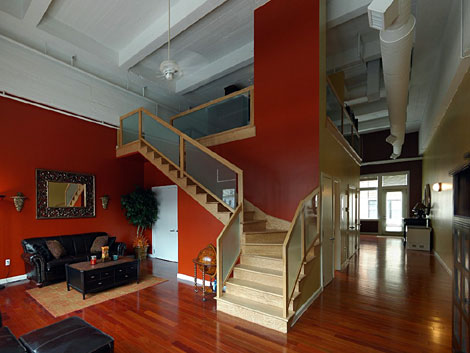
Denver’s lofts and condos are similar to a yet more modern source and resemble early 20th century lofts that were built on the east coast of the U.S. They were originally built as storage and most were near shipping ports. Primarily the Boston and New York areas were where most of these first lofts were located.
The 1940’s saw many of the lofts in the area south of Houston Street known as SoHo in New York beginning to be used by artists. Struggling to make a living from their chosen profession, they chose the abandoned warehouse lofts as their home. This was the beginning of the use of the lofts as apartments in the U.S. by those who were considered ‘starving artists.’
In the 1970’s, SoHo had started renovating many of the loft spaces and changing them from commercial space to residential, which led to rezoning by the city. Approximately 92% of the original loft areas used for homes were not legally zoned for this use. As they say, majority rules, so the city was basically forced into changing the area from commercial property to residential.
Over the next 20 years or so, the lofts became more popular and other areas of the country started using them as residences as well. The trend in the 1980’s leaned toward living in the downtown areas of cities. The convenience and proximity to everything needed was the primary reason for this.
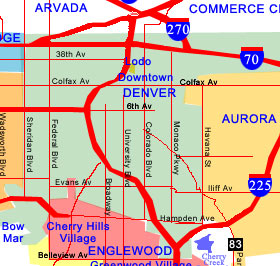
Both single people and couples that were living together made up the majority of the market for the lofts. Denver lofts and condos were (and still are) no exception. Many cities, including this area, were experiencing urban renewal at this time. The benefits included public investment in the projects slated for renovation in the downtown areas as well as tax breaks. More cities began to zone the areas as residential eliminating the violation of commercial property zones.
When the lofts began to really make an impression on the country, they were spreading to all the major cities - Boston, Philadelphia, Cincinnati, Cleveland and Atlanta - just to name a few. Cities that were experiencing the highest number of people moving back to the downtown areas in the 1990’s were Seattle, Chicago, San Francisco, Chattanooga, Atlanta, Boston, Miami, and of course, Denver.
The use of office buildings, warehouses, stores and factories as lofts have progressively become more popular. Waterfront areas and historic sites are prime locations for lofts today. The trend that started due to necessity grew and the construction of lofts today are being seen everywhere in the U.S. Although many of these newly constructed living spaces do not in any way resemble their predecessors, there are some companies trying to recreate the old look and feel of the original lofts.
Regardless as to whether you are looking for an open historic brick and beam loft, or a more modern version of the loft concept, we would be happy to help! To schedule a time to see what lofts and condos are currently available, please contact us and we will get hard to work putting our experience to use for you!